Visiting Fteri Beach is fundamentally different from spending an afternoon at organized Greek beach resorts such as Makris Gialos or Antisamos. There are no sun lounger rentals, no beachside tavernas, no restrooms, no trash receptacles, and no lifeguards. When you step onto Fteri’s shores, you are entering a remote wilderness zone where personal preparedness directly dictates your safety and comfort.
The Non-Negotiable Essentials Checklist
1. Hydration: The 3-Liter Rule
In the Mediterranean heat between June and September, daytime temperatures in the Paliki peninsula regularly climb between 32°C and 38°C (90°F – 100°F). The brilliant white cliffs act as giant thermal reflectors, amplifying heat across the cove.
Every adult must carry a minimum of 2.5 to 3.0 liters of fresh drinking water for a four-to-six-hour excursion. If hiking the canyon trail, reserve at least 1.0 liter strictly for the demanding uphill return trek. Do not rely on sweetened sodas or alcoholic beverages, which exacerbate dehydration under extreme UV exposure.
2. Specialized Footwear: Two-Tier Strategy
A frequent mistake made by travelers is attempting the trek in flimsy sandals or bare feet. An optimal field kit includes:
- Enclosed Hiking Shoes or Trail Runners: Needed for navigating loose gravel, thorny scrub oak, and the fixed-rope gully section during the canyon descent.
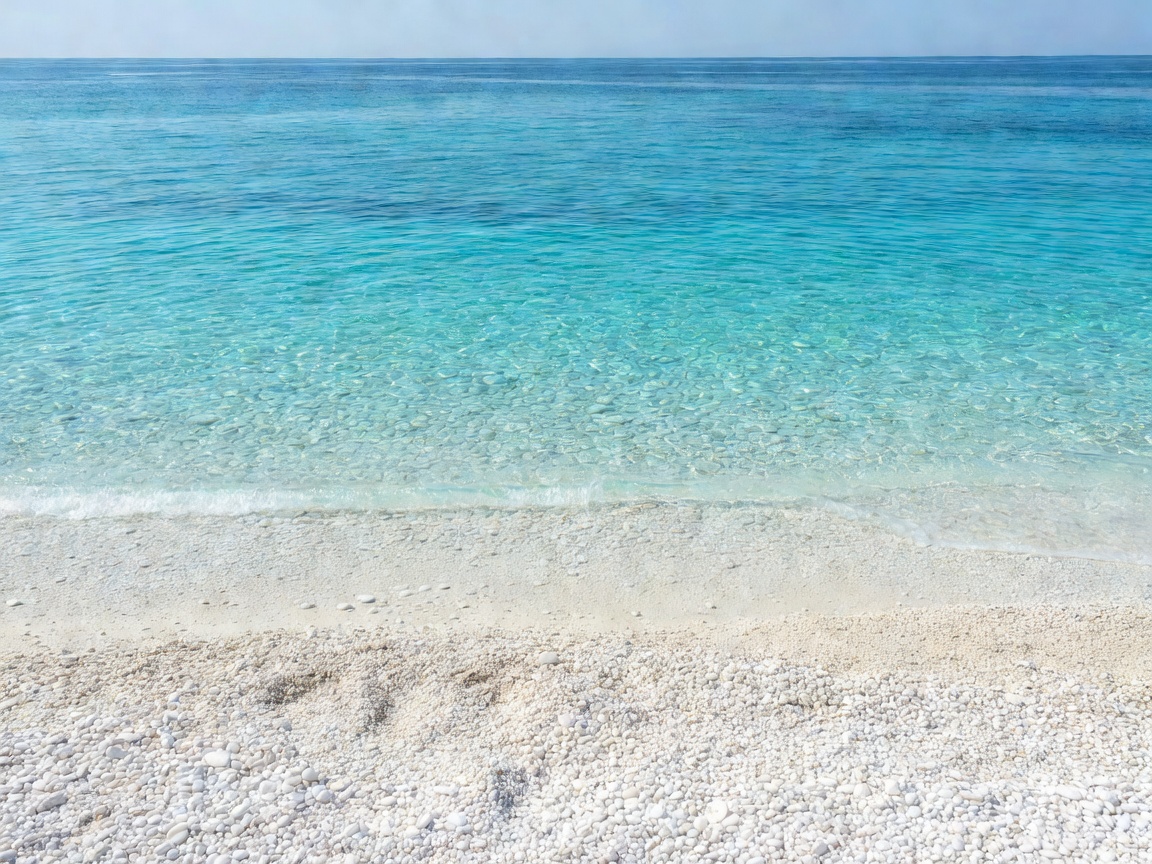
- Neoprene Water Shoes: Needed on the beach itself. The polished white pebbles are uncomfortable to walk on barefoot and become scorching hot under midday sun. In addition, submerged limestone ledges harbor sharp edges and sea urchins.
3. Sun Protection Architecture
From approximately 10:00 to 15:30, Fteri Beach receives direct, unshaded sunlight. Natural cliff shade only appears in late afternoon when the sun sinks behind the western escarpment.
- Self-Supporting Sun Shelter or Sand/Pebble Anchored Umbrella: Standard umbrella spikes cannot penetrate hard packed pebble beds. Bring an umbrella anchor bag that can be filled with heavy stones, or a wind-resistant pop-up shelter.
- UPF 50+ Sun Shirts / Rash Guards: Essential for snorkeling to prevent severe back and shoulder sunburns caused by reflective water conditions.
- Polarized Sunglasses & Wide-Brimmed Hat: Protects eyes from intense glare bouncing off limestone cliffs and clear waters.
Field Equipment Packing Checklist
- 3 Liters of chilled fresh water per adult (insulated vacuum flask recommended).
- Electrolyte replenishment powder tablets.
- Trail shoes with aggressive tread + neoprene swim shoes.
- Wind-stable sun shelter with pebble anchor system.
- Reef-safe mineral sunscreen (non-nano zinc formula).
- Dry bag (15L–25L) for protecting phones, cameras, and vehicle keys during boat landings.
- Personal compact first aid kit: antiseptic wipes, blister plasters, sting relief, tweezers.
- Durable trash bag for complete Leave No Trace waste extraction.
Food and Nutrition Strategy
Heavy, greasy foods spoil rapidly in intense heat and can cause gastrointestinal distress during strenuous physical activity. Pack lightweight, calorie-dense, heat-stable provisions:
- Dried fruits (figs, apricots, dates) and unsalted raw almonds or walnuts.
- Whole fresh fruits with protective rinds (oranges, apples, firm peaches). Avoid easily bruised fruits like ripe bananas or soft berries.
- Greek whole-grain barley rusks (paximadia) with vacuum-sealed hard cheeses (such as aged Kefalonian Graviera).
- High-protein energy bars that do not contain chocolate coatings prone to melting into sludge.
Communication, Power, and Emergency Preparedness
Due to the sheer 100-meter cliffs encasing Fteri, mobile phone coverage is intermittent at best and entirely dead along the waterline.
Critical Emergency Protocol
If someone in your group suffers an injury, heat exhaustion, or a sprain while at the beach:
- In the summer season, flag down passing boat skippers or water taxis arriving from Zola port to assist with maritime evacuation.
- If cellular connectivity is required for emergency dispatch, one able-bodied companion must hike 15 minutes back up the canyon trail until reaching elevated ridge terrain where cellular signals reconnect.
- European Emergency Dispatch Number: 112 (accessible without mobile network credit if an active roaming signal is caught).
Sanitation and Environmental Hygiene
Because there are no sanitary facilities, visitors must exercise absolute discretion to protect this sensitive wild cove:
- Solid Waste Extraction: Every single item brought to Fteri must leave with you. This includes fruit peels, pits, nut shells, cigarette butts, wet wipes, and paper tissues. In arid limestone climates, organic matter takes months or years to decompose and attracts invasive pests.
- Sanitary Etiquette: Always pack sealable plastic disposal bags for used hygiene items. Never bury synthetic wipes under beach stones; waves will scour them out directly into the marine ecosystem.