As international acclaim has spotlighted Fteri Beach—culminating in its ranking as the #1 European beach in the 2026 World's 50 Best Beaches selection—the imperative to safeguard this fragile marine ecosystem has never been more urgent. Unlike commercial coastal developments equipped with public sanitation, daily waste management, and environmental monitoring, Fteri relies entirely on the individual stewardship of every traveler who steps ashore.
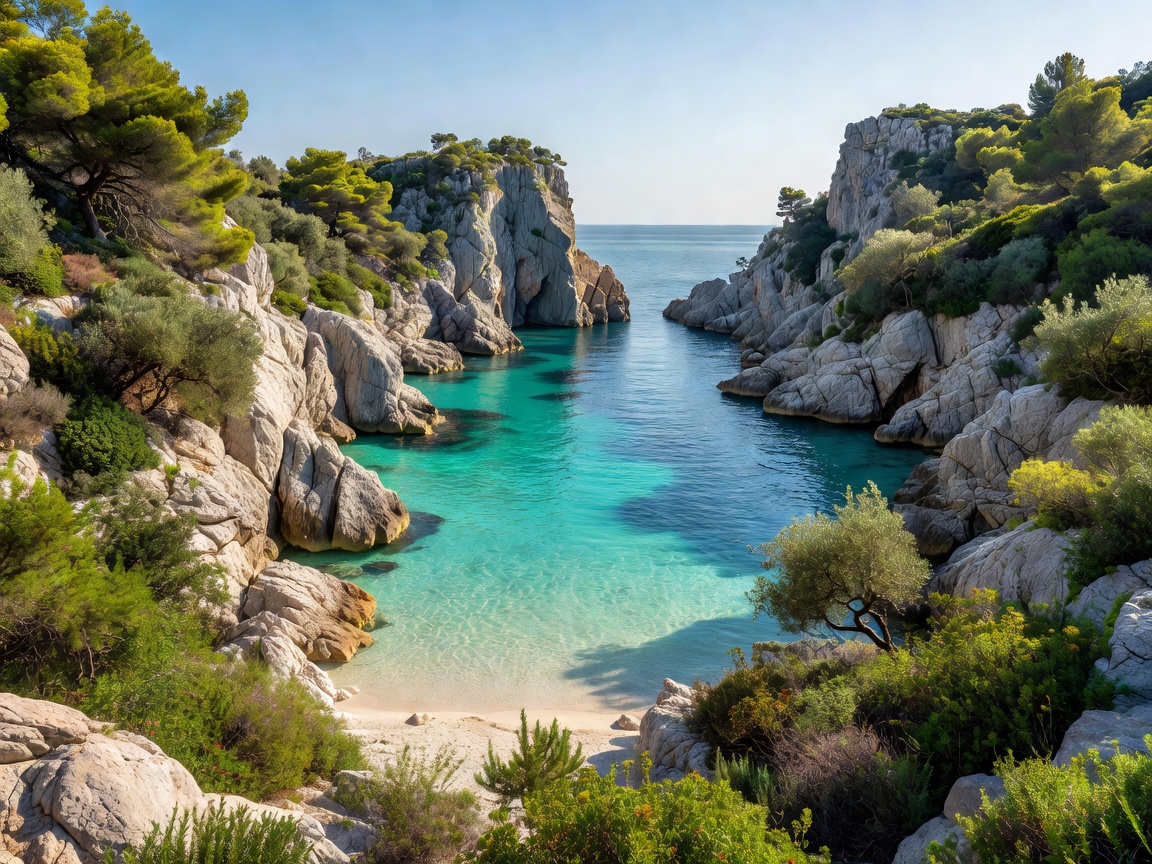
Core Principles of Leave No Trace Exploration
To maintain the pristine natural baseline of the cove, visitors are requested to strictly uphold seven foundational stewardship practices:
- Complete Pack-In / Pack-Out Mandate: Do not leave a single trace of your presence. From discarded fruit peels and food containers to micro-trash like plastic bottle rings and cigarette ends, carry all refuse out in a heavy-duty sealable trash bag for proper municipal disposal in Zola.
- Do Not Remove White Pebbles: The bright marble stones that give Fteri its distinctive brilliance take millennia to form through cliff erosion and wave tumbling. Taking stones as souvenirs degrades the natural pebble berm and is prohibited under regional Greek coastal protection statutes.
- Respect Marine & Cliff Fauna: The isolated sea caverns surrounding Fteri and neighboring Amidi provide critical breeding and resting refuges for the critically endangered Mediterranean monk seal (Monachus monachus). If you encounter a seal resting in a cavern or on an isolated pebble bank, do not approach, photograph with flash, or make loud noises. Maintain a respectful distance of at least 50 meters.
- Stay on Established Footpaths: During the canyon hike, avoid cutting switchbacks or trampling off-trail scrub. Shortcuts accelerate soil erosion down the dry streambed and destroy endemic wild orchids and aromatic herbs.
- Strict Fire Ban: Western Greece faces severe wildfire risks from June through October. Outdoor campfires, camp stoves, and open flames of any kind are strictly forbidden in the canyon and on the beach.
- Acoustic Conservation: Leave portable Bluetooth speakers at home. The limestone amphitheater acts as a natural acoustic reflector; loud amplified sound disturbs nesting marine birds (including Eleonora's falcons) and disrupts the peaceful atmosphere for fellow visitors.
- Drone Restrictions: Operating unmanned aerial vehicles (drones) directly above wildlife resting areas or within 100 meters of vertical cliff nesting crevices is restricted under regional avian preservation protocols.
Wildlife Encounters in the Paliki Karst
Beyond monk seals, the cliffs surrounding Fteri are home to Eleonora's falcons (Falco eleonorae), European shags, and alpine swifts that nest in high rock crevices. On land, wild goats skillfully navigate the 100-meter precipices. Keep food securely zipped in daypacks to prevent goats and seagulls from rummaging through your provisions.
Nearby Satellite Bays and Secret Coves
The remote coastline stretching west from Zola toward the tip of the Paliki peninsula holds several equally magnificent, wild pebble bays that can be explored by private boat charter or sea kayak:
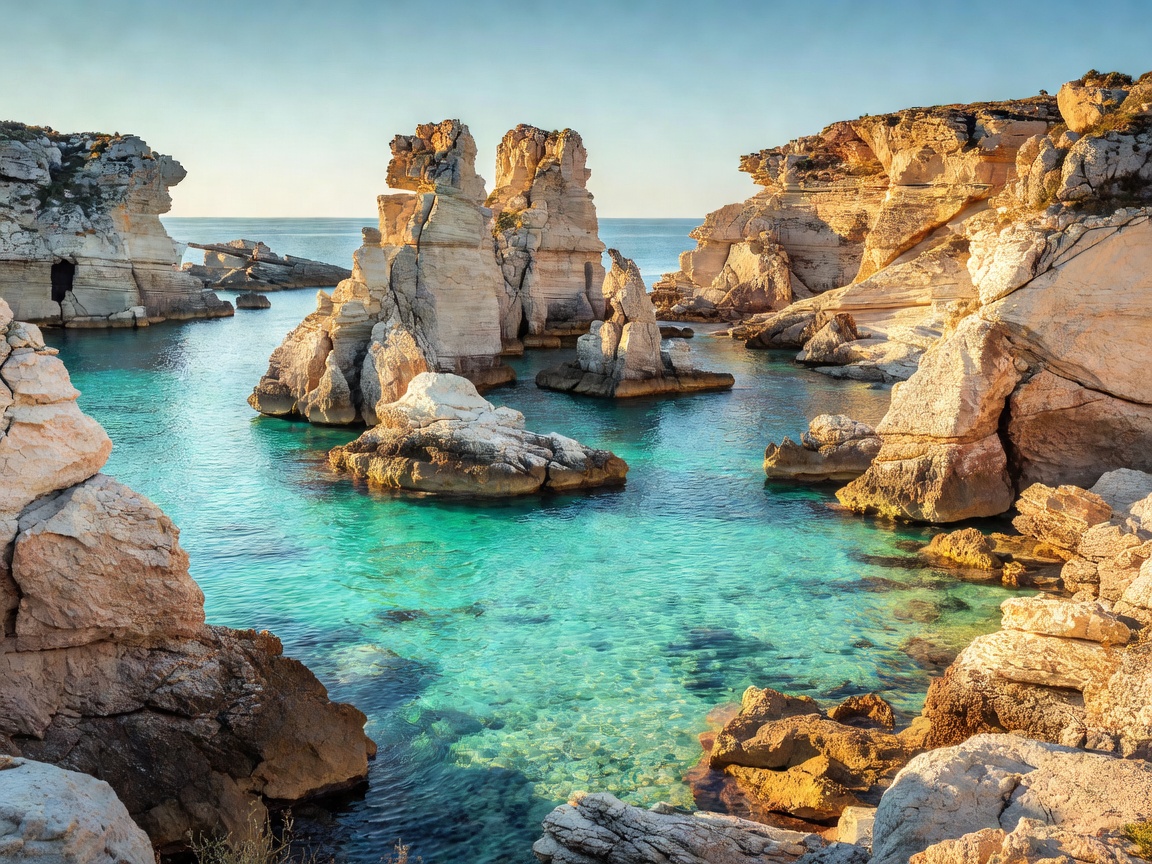
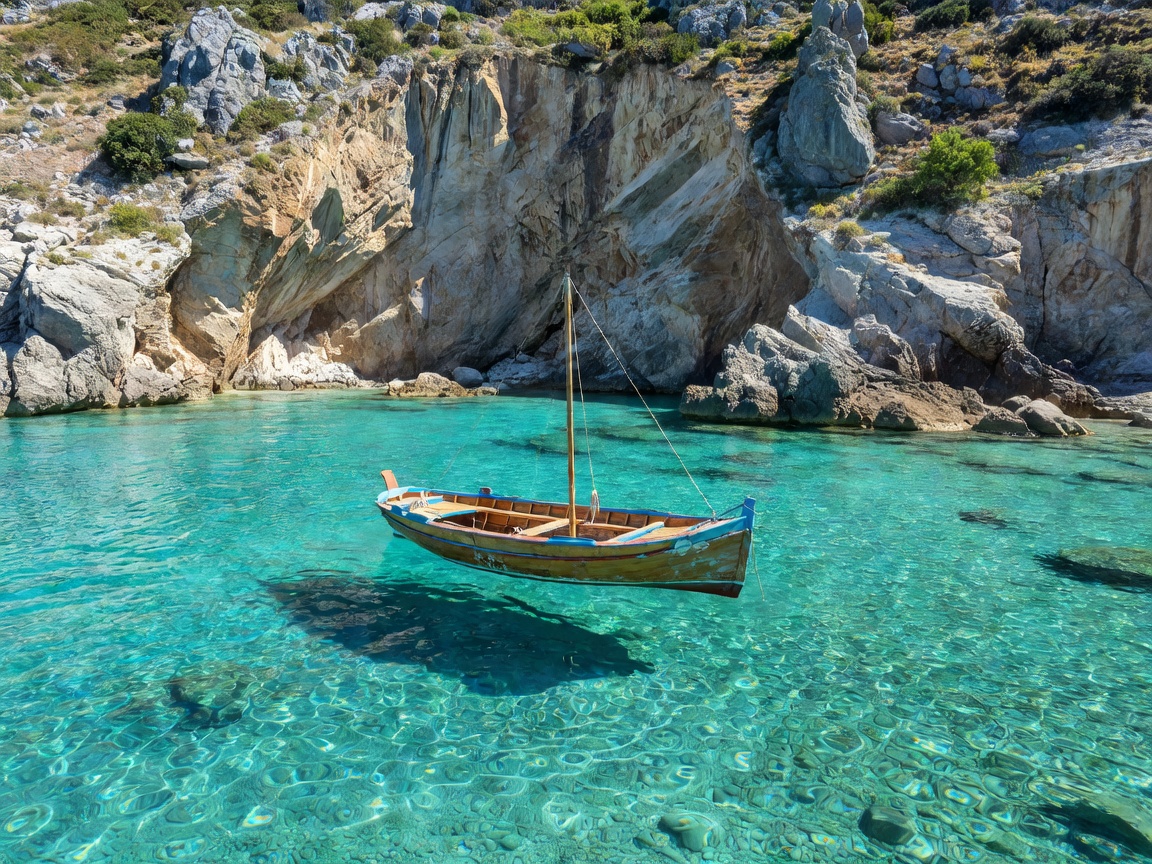
1. Amidi Beach (Kamari Bay)
Situated approximately two nautical miles west of Fteri, Amidi Beach is an even more secluded limestone cove bordered by towering vertical rock amphitheaters. Like Fteri, Amidi has zero road access and can only be reached by boat or an extremely demanding backcountry goat trail. The seabed here features dramatic underwater boulders and deep underwater canyons that offer world-class free-diving.
2. Fteri Blue Lagoon & Sea Caves
Located immediately east of Fteri's main shoreline, the "Blue Lagoon" refers to a narrow marine passage between the towering mainland cliffs and a partially submerged limestone sea stack. In this sheltered gap, water depth averages between 3 and 5 meters over pure white sand, producing an intense neon-blue coloration even more concentrated than the main beach. Small boats frequently anchor here briefly for open-water swimming.
3. Kamari Beach
A tiny, intimate crescent of white stones tucked into a sharp coastal notch east of Fteri. Kamari is shaded earlier in the afternoon by its steep surrounding crags, making it an idyllic spot for a quiet late-day swim when the main beach experiences larger swells.
Experiencing Authentic Kefalonia in Zola Village
A trip to Fteri is ideally completed by spending time in the traditional village of Zola. Nestled on the hillside above Agia Kyriaki bay, Zola escaped the heavy commercial development seen in other parts of the island, retaining its quiet agrarian and fishing heritage.
- Harbor Tavernas at Agia Kyriaki: Down at the fishing port, family-run tavernas serve freshly caught Ionian red mullet, sea bream, and grilled calamari landed daily by local fishing vessels, accompanied by traditional Kefalonian Robola dry white wine.
- Local Agrarian Products: The Paliki peninsula is renowned for its wild thyme honey, cold-pressed extra virgin olive oil, and aged goat cheeses produced by artisanal shepherds. Purchasing directly from local village shops provides direct economic support to rural communities preserving traditional Greek landscapes.